


![At a group practice, sophomore Layla Gutierrez sings, while seniors Armando Gutierrez and Jaden Cerna play the electric bass and guitar. “It’s cool being in a band with [my sister], but though we’re related, sometimes our ideas in the creative process differ and cause some conflicts,” Armando said. (@hopelesssamaritanband)](https://alisaltrojantribune.com/wp-content/uploads/2026/05/067cae3d6e7e8d0fd59cd886c8c689dbc703ed15-14-1033x1200.jpg)













In high school, people mature at different rates. Some underclassmen are mature for their age and some upper classmen can be incredibly immature.
As a person who studied in another country, immaturity is everywhere, no country or population is immune to it.
But when I came to the U.S. it was taken to the next level. The first moment I stepped onto the campus, I saw two teenage boys doing sexual hand gestures towards women who walked past them. It made me realize how some people sorely lack it.
Underclassmen, especially sophomores, tend to be immature about the seriousness of their education, among other things.
This is why the word sophomoric, where a group or a certain individual tends to have or show lack of emotional maturity, fits them perfectly.
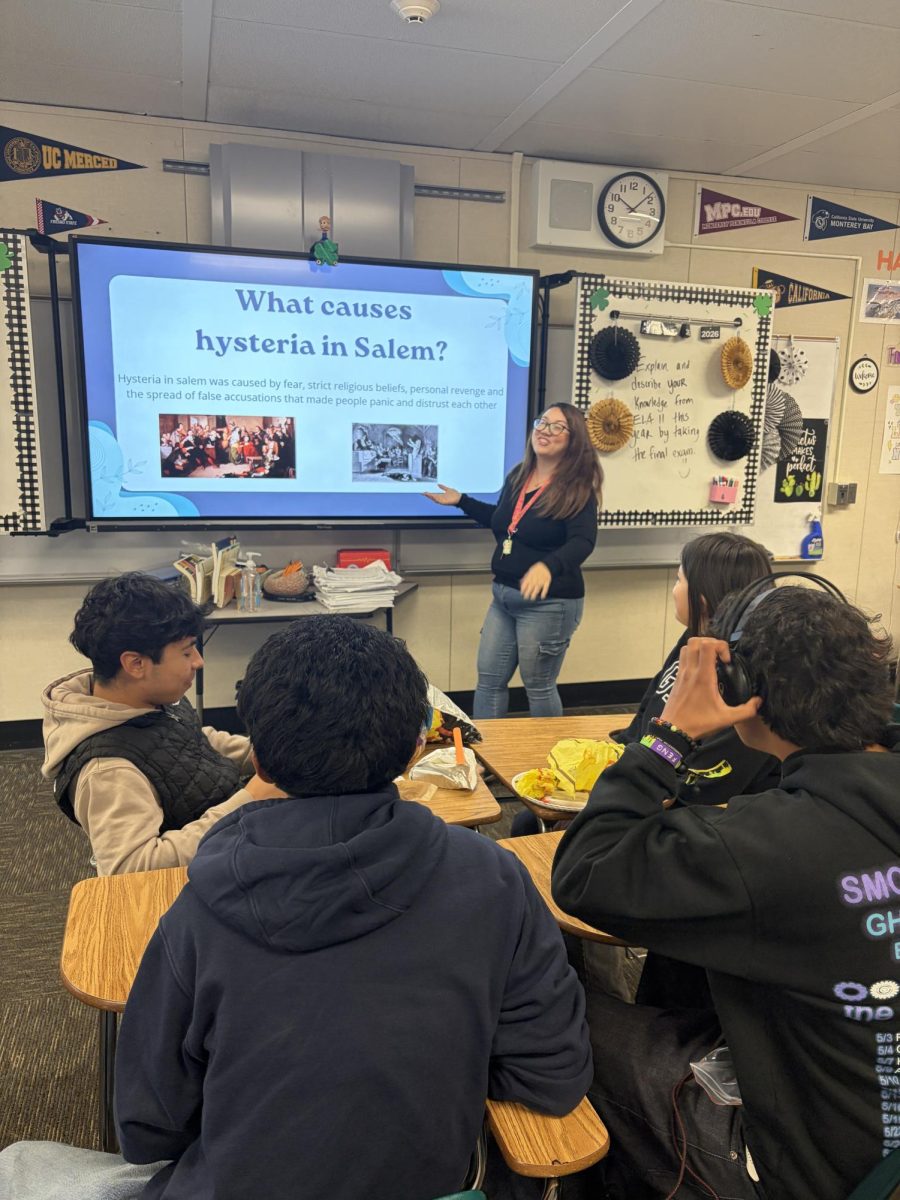
This is especially true in my biology class. “It’s harder for them to stay more mature with them,” biology teacher Lucy Lynn said. “We talk a lot about mature concepts, so I just kind of anticipate it and try to focus more on the biological academic vocabulary.”
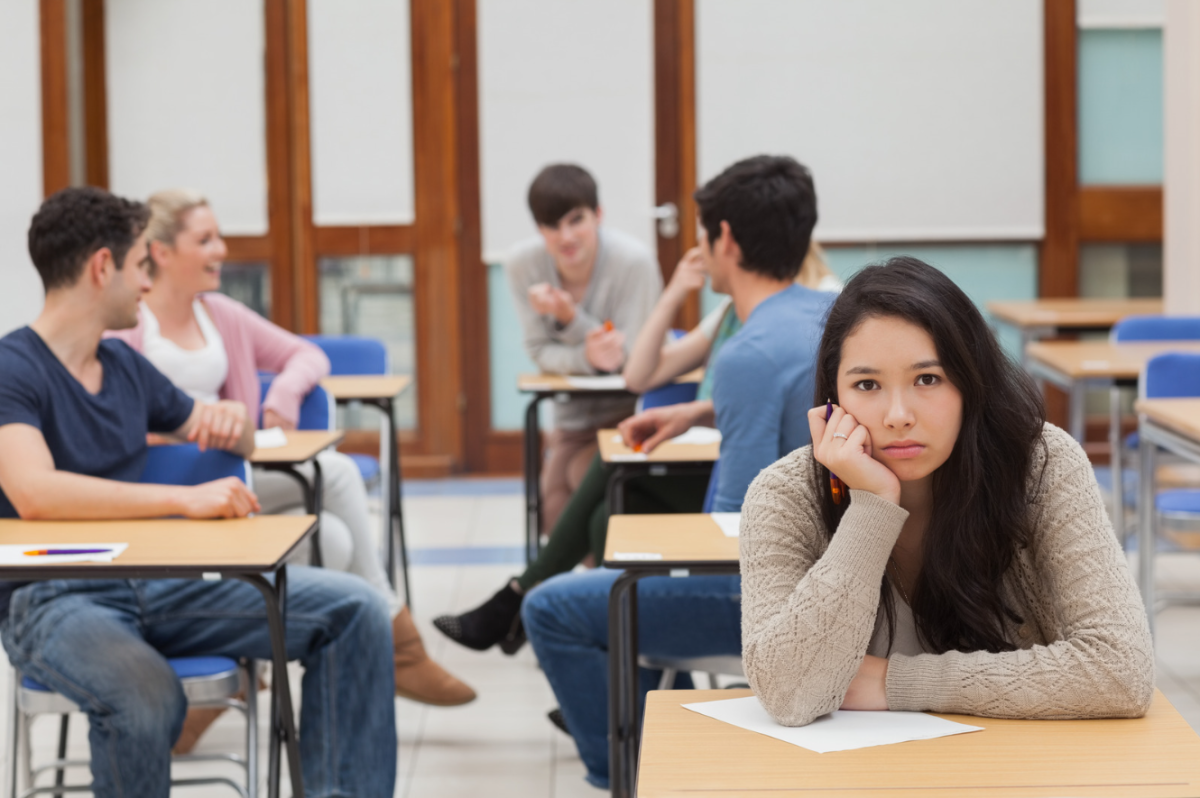
For many of these sophomores, it’s the normalization of failing, being on the phone the entire class time, playing videos on their chromebook with loud volume, and generally disturbing those around them.
It has come to a point where even upperclassmen see them as a nuisance. “They’re very immature within certain topics,” senior Marilyn Castro said. “It makes me exhausted when I have to deal with them.”
As these childish behaviors continue, it has got to a point where it has affected the education system. According to the 2024 U.S. Reading Proficiency Statistics What percentage of students in the US are proficient in reading? | USAFacts, around 30% of students are considered proficient in reading and writing, while the remaining 70% are behind the average proficiency; which is so far behind that society itself discovered how bad this generation has gotten. “When I was teaching my first year in 2013, most students didn’t have phones and a majority of them were prepared with basic materials,” Lynn said. “Nowadays, I feel that even if I give a homework assignment, it won’t get done.”
At Alisal, especially in mixed classes, many sophomores tend to make loud noises, such as alarm noises to “ragebait” teachers, feed off their egocentric selves, and make themselves feel better for being a jerk.
In my biology class, it was very common to see students throw papers at each other or say the n-word when the teacher heads outside for a minute or is busy teaching the class, and when they get sent to the office, they act like they didn’t do anything wrong.
Sadly, most of these transgressions aren’t enough for the administration to discipline them, so it falls to the teacher. But when the students don’t care about their grades and they know they won’t face any serious disciplinary action, it emboldens them to continue with the bad behavior.
There are solutions that could fix these issues temporarily, such as detention or suspending them from the class for a day or two, but it wouldn’t have a lasting effect.
The only real solution is time. All teenagers grow at their own pace and maybe it’s just a matter of a time before they understand their actions and mature. Unfortunately (or maybe fortunately), I won’t be there to see it because I don’t plan on being in another class with sophomores ever again (if I can help it).