



![At a group practice, sophomore Layla Gutierrez sings, while seniors Armando Gutierrez and Jaden Cerna play the electric bass and guitar. “It’s cool being in a band with [my sister], but though we’re related, sometimes our ideas in the creative process differ and cause some conflicts,” Armando said. (@hopelesssamaritanband)](https://alisaltrojantribune.com/wp-content/uploads/2026/05/067cae3d6e7e8d0fd59cd886c8c689dbc703ed15-14-1033x1200.jpg)






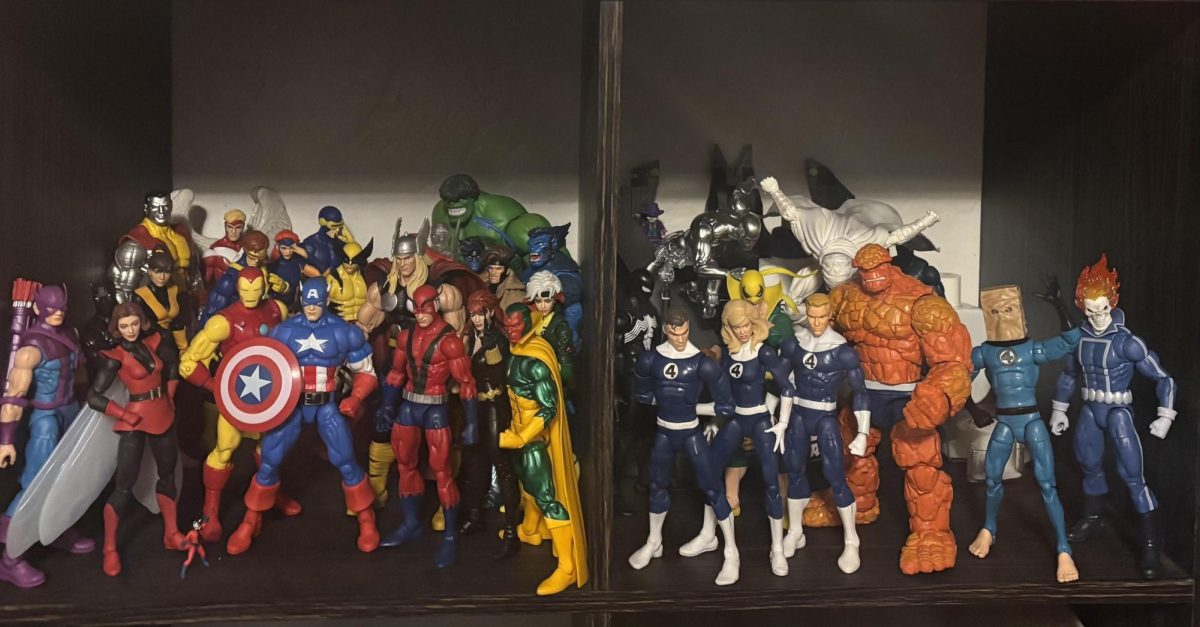
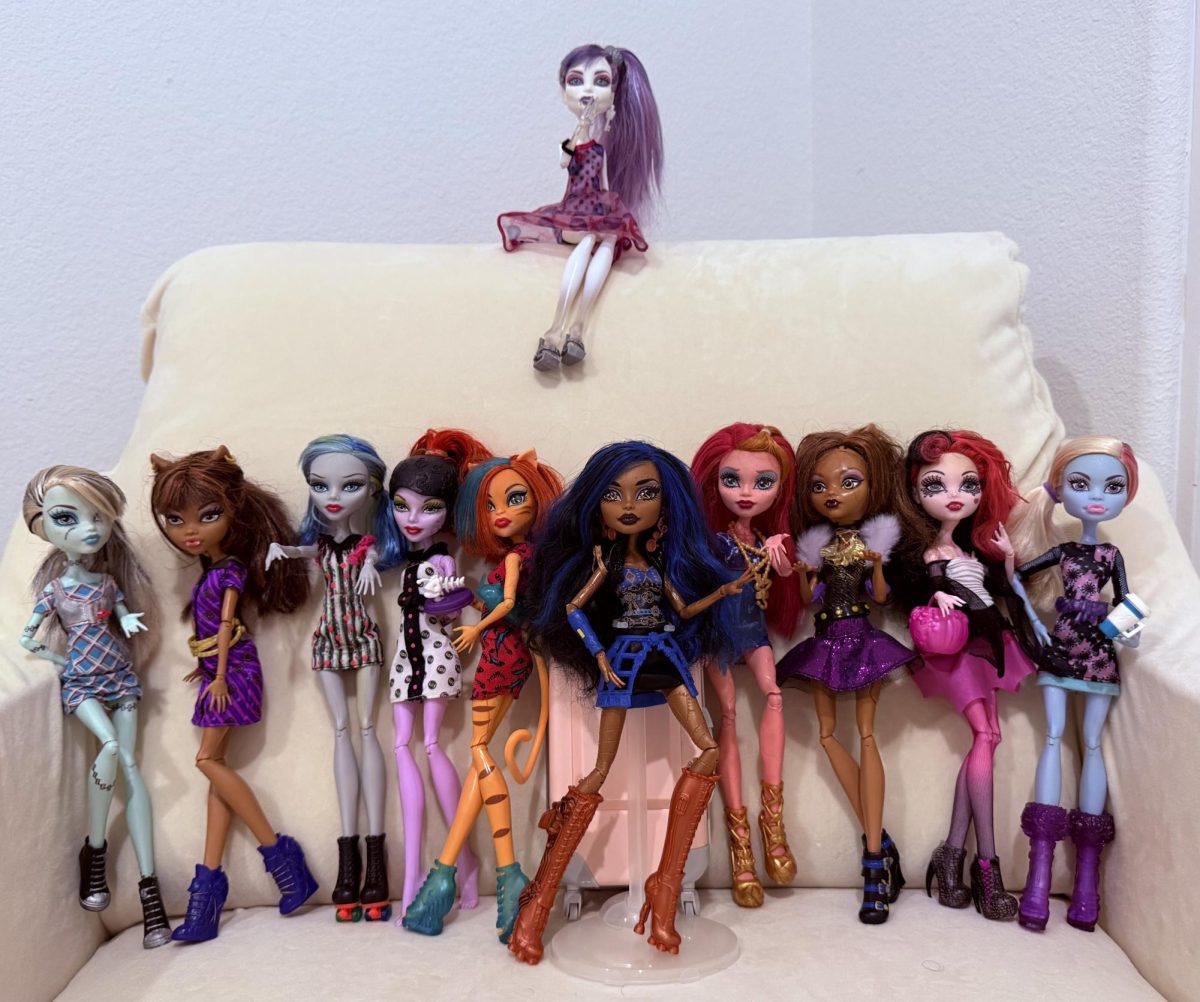


24 years ago, Elle Woods from Legally Blonde had made it to Harvard Law, proving that being smart and powerful does not separate you from your femininity.
Despite it being a fictional comedy, Legally Blonde targeted many issues present in the early 2000s. However, 20 years later, our reality is far from perfect, and no matter how many people claim that equality has been achieved and feminism is no longer necessary, “lady in car” signs are still visible on the road.
Social media has taken this to a different extent. “I’m just a girl” started to counter the common “boys will be boys” in early 2020, and along with the song, “I’m Just a Girl” by No Doubt, it hit the peak from 2023 to 2024.
While starting as an ironic way to make a statement, “I’m Just a Girl” turned into a stereotype regarding femininity. Currently, it conveys the same harmful meaning: your gender determines your personality.
“I’m just a girl” plays on an image of a girl being naive, ditzy, and innocent. On a deeper level, it infantilizes females, claiming them improper for “serious” jobs, driving, and targeting certain hobbies as “girly.” However, this stereotype is only a part of what a current girl needs to face.
Expectation to run the world in shoes you cannot even walk has become the second narrative of the current life for a female. In actuality it means assumptions regarding my future by society, them claiming to know how I should act.
From the day I was born, I have been set with expectations based on my gender. As a female, you owe the world for living in it. Modern women need to have a good education, a successful career, become a good mom and wife, and a myriad of other expectations.
Sometimes it feels like you need to be everything at once. You constantly feel like you’re reaching for the ideal that never exists in reality.
Women are faced with unachievable standards which almost no one can reach.
You have to be smart: but not too smart, otherwise you’re a nerd, and girl-nerds are never interesting.
You have to be interested in men: but not too interested, otherwise you’ll become a “pick me.”
You have to be curvy: but never be too curvy, otherwise you’re a cow.
And if you want to be a “strong” woman you have to do one thing. Reject your femininity.
As a woman myself, sometimes I feel crushed by the pressure.
The truth is, I always was a “girly-girl”. I preferred skirts and dresses over pants, loved jewelry and played with dolls. I dreamed about a pretty wedding and fairytalish love.
However, when I became a teenager, suddenly being a girl felt something you should be ashamed of.
After all, the common narrative is women are too emotional, never good leaders, and only care about their looks and the number of boyfriends they have.
At this point in their lives, many girls don’t want to carry these stereotypes on, so the easiest choice for them is to reject who they are.
The color pink becomes banned in your wardrobe, you constantly feel like you never should be perceived as too “girlish”, otherwise you’re not going to be taken seriously.
The media has taken this stereotype to an excessive level. Trying to recover from the negative part of having a traditionally “feminine” character they swung to the image of a tough, independent woman who should never be helped by a man.
While serving with good intention, the dialogue of this change comes from a desire to show a “strong woman,” but does the opposite. By definition it implies that women are not strong otherwise and qualities you would usually find in them are what society wishes to see in “patriarchally approved” men.
On the other hand, Disney is another extreme way society perceives women. A weak “damsel in distress” that needs to be rescued is what men see when thinking of a Disney princess.
While there’s a lot of underlying problems in these stories, such as the societal expectation of the time that the happy ending for old Disney princesses like Cinderella is achievable only after a man plays part in their story, old Disney characters are strong, resilient and majestic in their own way. Their strength is in curiosity, intellect and kindness, which is their disposition, not a characteristic of their gender.
However, when simplifying both “ideals” we reach two extremities, harmful in their core. Society, unfortunately, wants women to be pretty dolls, or not be women at all.
Being a woman takes a lot. There are so many archetypes for us to choose from. From “Disney princess”, to “Femme Fatale” with a quick stop at “Manic Pixie Dream girl”.
But life is not a movie or a script. Our gender does not determine our strength. We don’t need to fight the world to be strong. We can fight, if we decide to, and that choice is ours to make.
In the end, I don’t want to prove that I’m a strong and smart woman, and not because I’m weak, but because I am already a strong and smart woman. And neither my femininity, nor my skirt will take it away from me.

Arely • May 6, 2026 at 3:23 pm
I really love women 😍