

![At a group practice, sophomore Layla Gutierrez sings, while seniors Armando Gutierrez and Jaden Cerna play the electric bass and guitar. “It’s cool being in a band with [my sister], but though we’re related, sometimes our ideas in the creative process differ and cause some conflicts,” Armando said. (@hopelesssamaritanband)](https://alisaltrojantribune.com/wp-content/uploads/2026/05/067cae3d6e7e8d0fd59cd886c8c689dbc703ed15-14-1033x1200.jpg)













In honor of Alisal’s 60th Anniversary, this is the fifth in an ongoing series of staff/alumni profiles.
Growing up, Moises Martinez didn’t think he would return to Alisal High School, at least not as a teacher. After graduating, he thought about going into law enforcement, but he wasn’t sure what he truly wanted. What he did know was that he wanted to help people; he just didn’t know in what way.
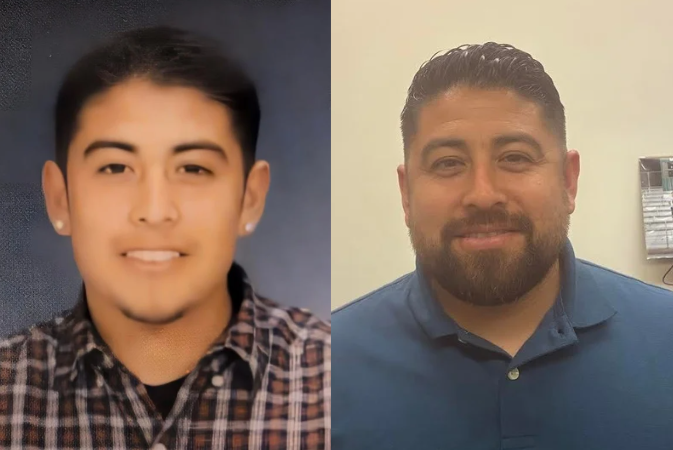
Martinez was born in Hillsboro, Oregon, and later moved to Salinas, where he became part of the Alisal Class of 2006. His favorite part of high school was the feeling of community. “Hanging out with my friends,” he said. “That sense of community… it was really supportive and it just made you want to be here.”
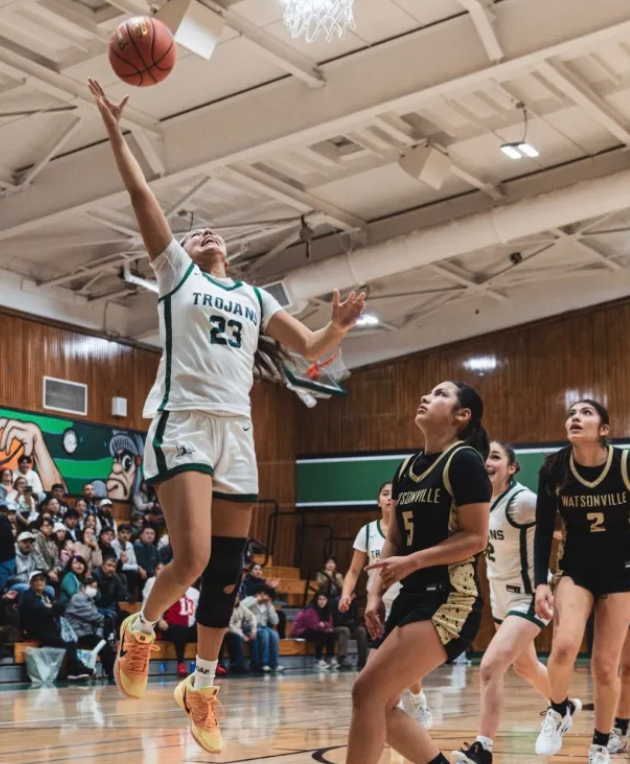
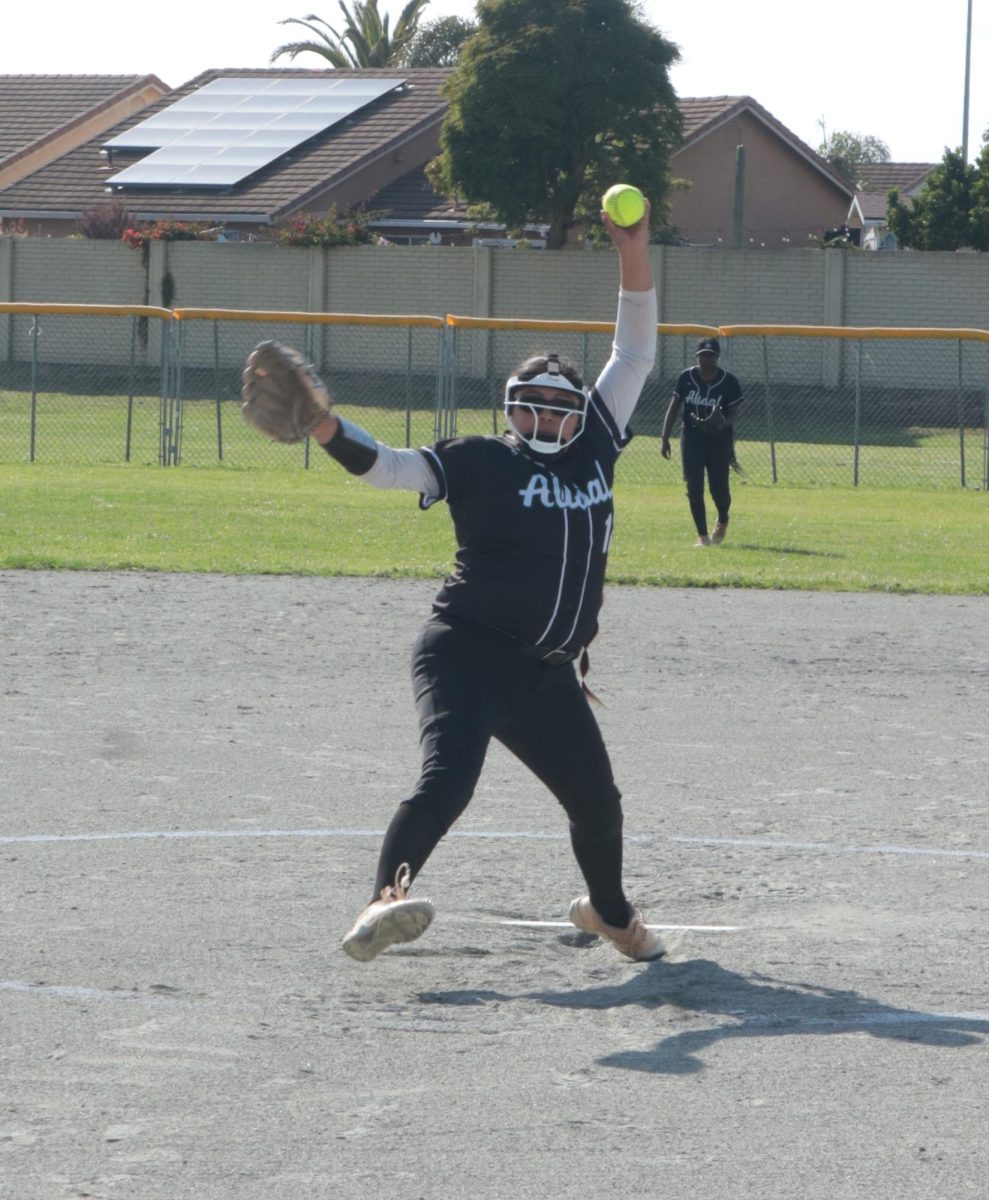
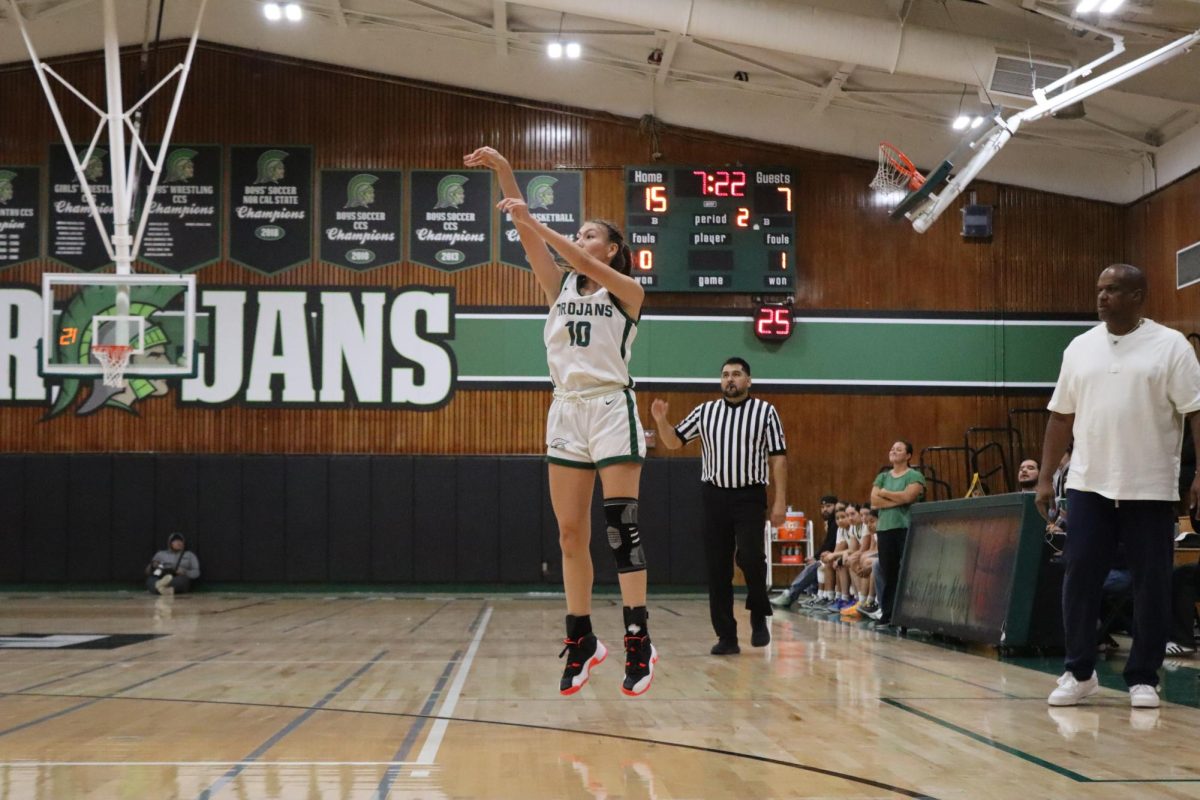
During his time at Alisal, Martinez was involved almost entirely in sports. He ran cross country, played basketball, his main sport, and competed in track and field. In track, he ran the 100, 200, and hurdles, using the extra conditioning to improve his performance on the basketball court.
His experiences as an athlete taught him resilience and the importance of believing in himself, lessons he now tries to pass on to his students. His favorite memories were the early morning practices and the strong sense of connection that came from being part of a team. “I didn’t play that much, but I still developed the attitude to be competitive in my own way,” he said. “Now I want to portray that positive attitude, that discipline, all to my students.”
After graduation, he attended Hartnell for six years as an Administration of Justice major because it was affordable and close to home. At first, he planned to go into law enforcement, but over time he realized he wanted to make a bigger impact on young people than he felt he could as a police officer. “If you trust the process and have faith, everything will lead to where you should truly be,” he said. “It took me a while to finish Hartnell, but I don’t regret it. I was exploring my options and some things didn’t work out, but some things did.”
Martinez eventually realized that law enforcement wasn’t his purpose. He believed he could build stronger connections and guide young people more effectively as a teacher. He transferred to CSUMB, where he studied Collaborative Health and Human Services and earned his Bachelor’s degree in two and a half years.
He began subbing on his counselor’s advice, even though he wasn’t sure he wanted to. After struggling to find a job, he tried subbing at Martin Luther King School of Arts and ended up enjoying it. He later subbed at a middle school, where the energy and talkativeness of the students challenged him, but he found he could manage it. ”It was hands-on and I was actually in a classroom,” he said. “Subbing did allow me to find out if it was something I wanted to do.”
People warned him that high school students were disrespectful, but he wanted to see for himself. When he finally subbed at a high school, he realized he loved it and felt he was making a difference. At this moment he knew that he wanted to be a teacher full-time.
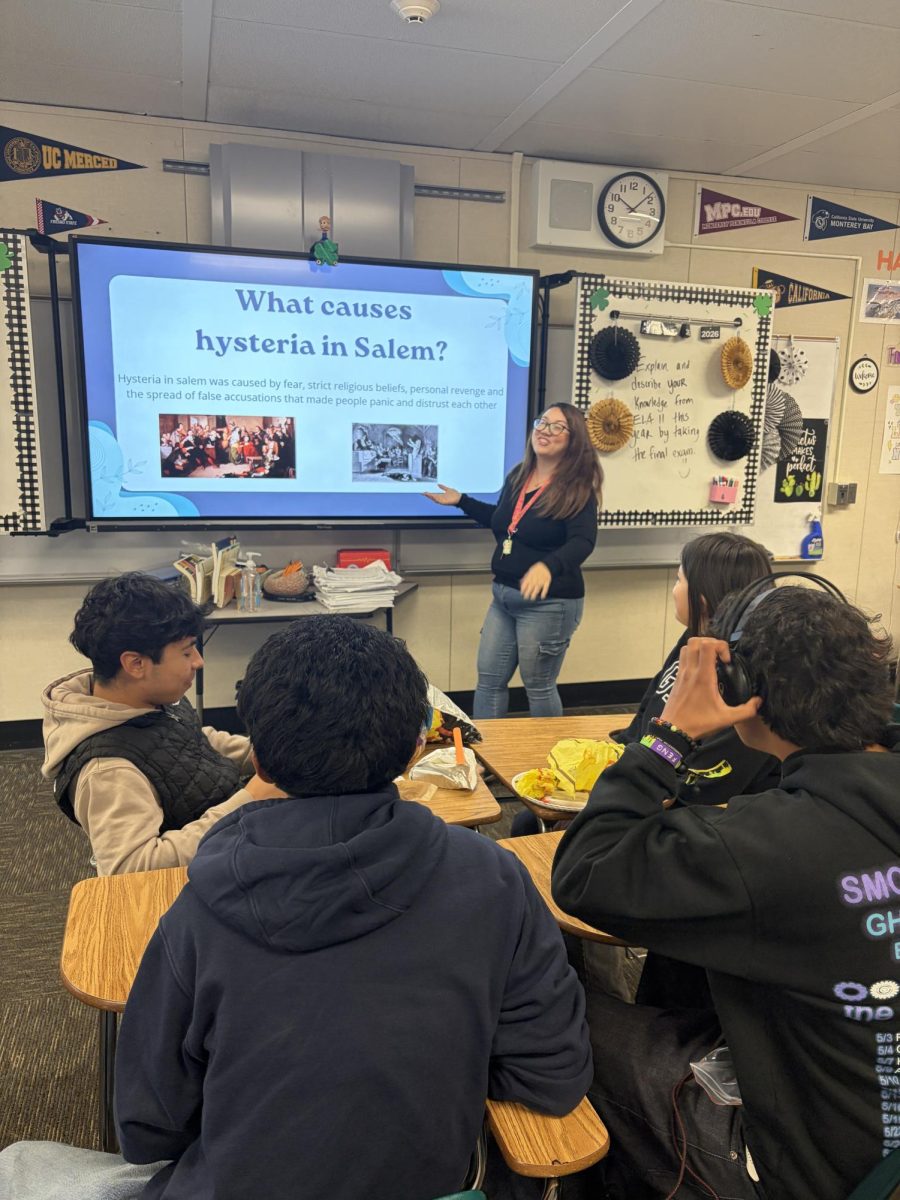
At first, he wasn’t sure what subject he wanted to teach. By his second year of subbing, he knew teaching was the right path, but he was in between choosing English and history. He chose English because he cared about it more and knew he wanted to teach something he was excited about. “English is a big subject to me,” Martinez said. “It’s more about how can I help this student enjoy this class and learn from it and apply those skills for the future.”
His decision to teach English came from his own struggles in high school. He used to fear reading aloud and felt embarrassed when he made mistakes. Because of that, he wants to help students avoid the same barriers. “It should be fun, you’re gonna make mistakes but that doesn’t mean that you’re a bad reader.” Martinez said.
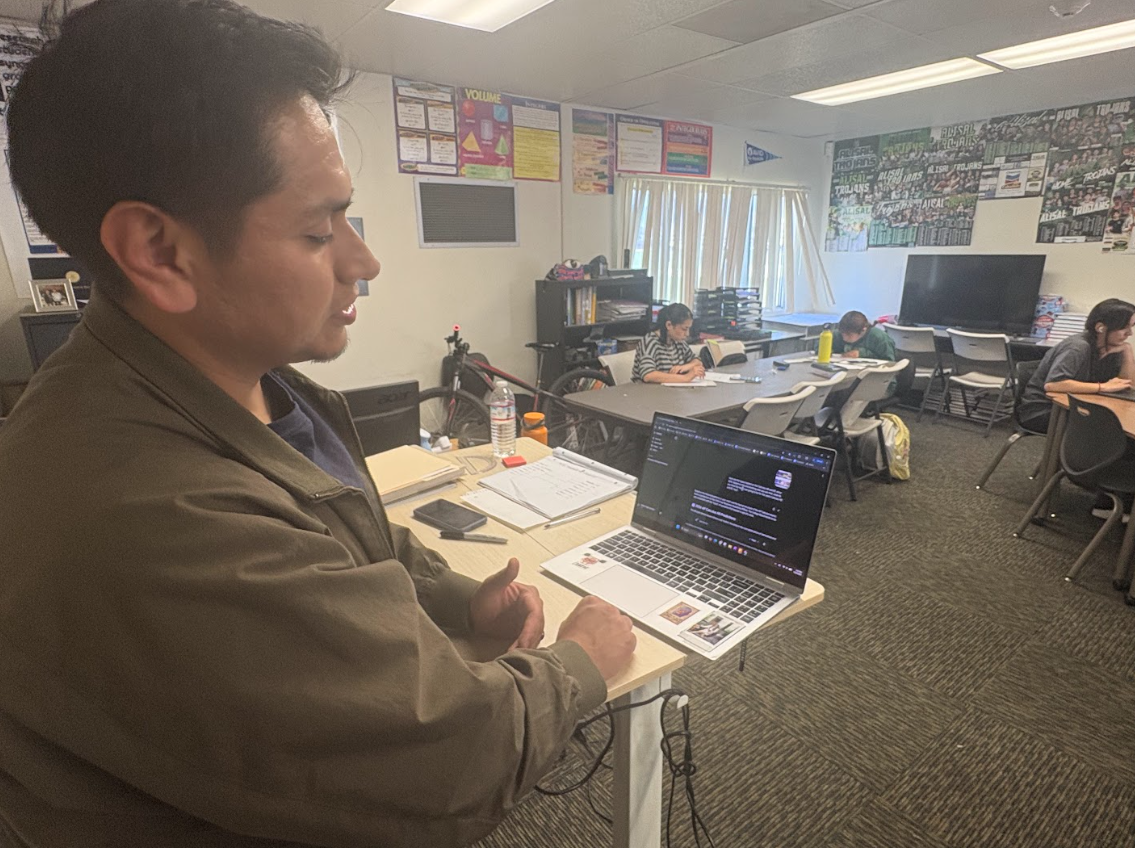
Once Martinez knew he wanted a fulltime-position, he waited and even taught during COVID. Distance learning made it difficult to connect with students, but it taught him a lot. During that time, he also took online classes for his teaching credential and eventually completed his Master’s degree. Once he finished, he applied for an English position at Alisal and was able to take his internship classes through National University. “I took advantage of the spare time I had to finish my classes,” Martinez said.
For Martinez, Alisal feels like home. He feels accepted and valued by the community. “I always felt like I belonged here,” he said. “To this day I still feel that sense of belonging, and it makes me want to stay.”
He still finds it surreal that he now works alongside former teachers. When Ms. Albano told him to call her by her first name, it felt strange, but meaningful. “It’s an amazing feeling, being able to work with them now because they saw me from high school to adulthood, hopefully I get to see that with one of my students.”
Coming back to Alisal, he noticed the school now offers more college support, like CCR events, Link Crew, and leadership opportunities. But some things stayed the same—like the familiar scent of the hallway near the office that he finds nostalgic, which brings back memories and reinforces his sense of belonging. “You can’t explain it,” he said. “It just gave you that feeling, that warm feeling that makes you want to be here.”
Martinez sees his role as more than teaching English. He focuses on helping students discover their passions and make an impact on their lives. He builds bonds, once he gets to know the student. He feels it’s important to know them so he can talk about their dreams and share his own stories to help them deal with problems, like money and getting ready for life. “I’m part of your development and I wanna inspire you guys in all aspects and to me that’s amazing,” he said. “Our conversations, our laughs, it all happened here at Alisal and we’ll always have it in our hearts, in that one moment it was awesome.”